
Why Karaoke Is the Soul of the Philippines
From birthday parties in Quezon City to bamboo bars in the Visayas — karaoke isn’t just entertainment in the Philippines. It’s a way of life.
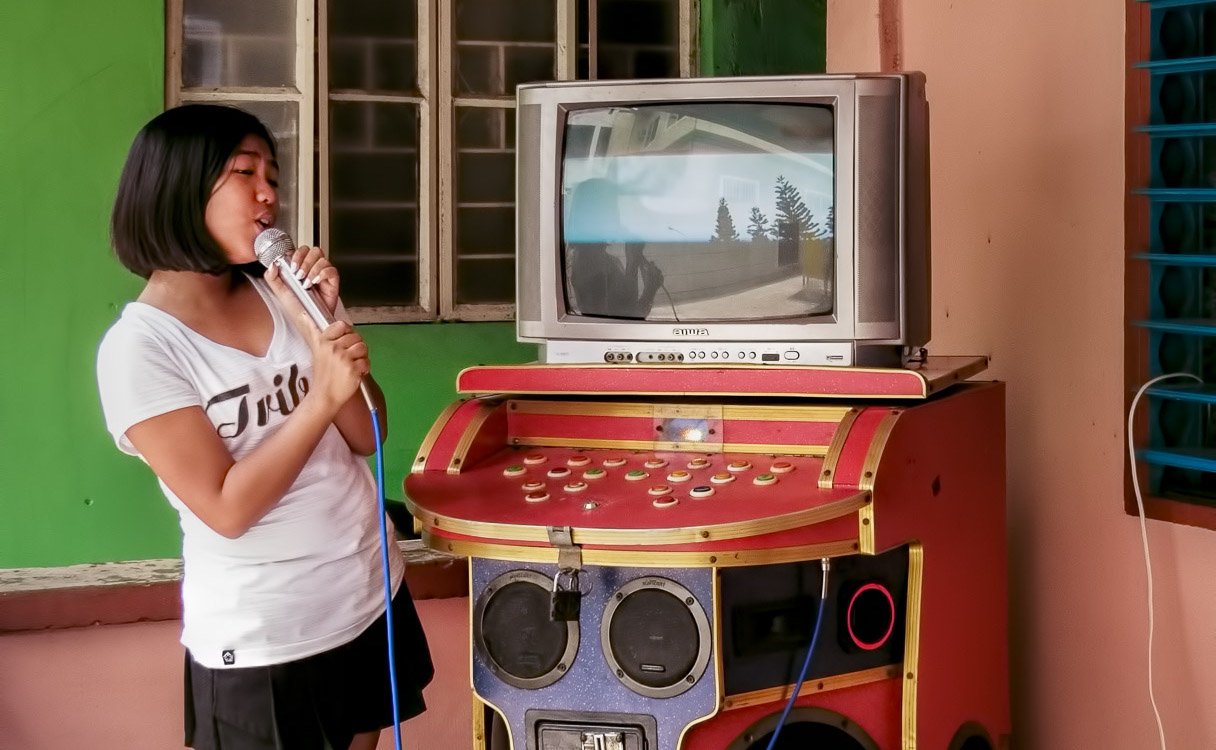
Filipino karaoke
A Nation Born to Sing
The Philippines has one of the most vibrant musical cultures in Asia. Long before machines arrived from Japan in the 1970s, Filipinos were already gathering around guitars at fiestas, serenading sweethearts with harana, and harmonising at church choirs that rival professional ensembles. Singing was already woven into the DNA of Filipino identity.
When Japanese inventor Daisuke Inoue introduced the machine to the world, the Philippines embraced it with a fervour that surprised even Japan. The technology gave Filipinos a stage — and a nation of natural performers was ready to use it.
In the Philippines, a machine is never just a machine. It is a confession booth, a celebration hall, and a therapy session — all wrapped in blinking neon lights.
Karaoke as Community Ritual
Filipino culture is built on the concept of bayanihan — collective unity and togetherness. Fiestas, family reunions, town fairs, and neighbourhood gatherings all share a common thread: food, laughter, and song. The machine doesn’t sit in a corner; it takes centre stage. Microphones are passed around with the same generosity as food.
No birthday party, graduation celebration, or Christmas gathering is complete without a set blasting through the living room window. Even funerals in the Philippines — known for their surprisingly festive wakes — often feature singing as a way to celebrate the life of the departed.
🎤 The Occasions Karaoke Shows Up
- Birthday parties and debuts (18th birthday celebrations)
- Christmas and New Year’s Eve fiestas
- Barangay (neighbourhood) festivals and town fairs
- Graduation and promotion parties
- Sunday family lunches that run until midnight
- Spontaneous Tuesday nights — just because
The KTV Bar: Philippines’ Living Room
The singing experience in the Philippines exists at every economic level. In upscale malls, KTV bars offer private rooms with leather couches, themed décor, and cocktail menus. In barangays (neighbourhoods), a street-facing machine with a coin slot — affectionately called a “videoke” — draws passersby who drop in a few pesos to belt out a classic OPM (Original Pilipino Music) ballad.
This democratic accessibility is key to karaoke’s hold on Filipino culture. You don’t need talent, money, or a reservation. You need only the courage to pick up the mic — and even that is optional, because someone will hand it to you eventually.
From coin-slot videoke to rooftop KTV bars
OPM: The Fuel That Keeps Karaoke Burning
No discussion of Filipino culture is complete without acknowledging OPM — Original Pilipino Music. The genre encompasses ballads, pop, rock, and R&B that have become the emotional soundtrack of Filipino life. Artists like Regine Velasquez (often called “Asia’s Songbird”), Freddie Aguilar, and more recently Ben&Ben, have songs that are practically required repertoire.
The Filipino love of power ballads is legendary. Songs demanding extraordinary vocal range — think Whitney Houston’s “I Will Always Love You” or Celine Dion’s “My Heart Will Go On” — are chosen not in spite of their difficulty, but because of it. A performance in the Philippines is often a display of ambition as much as ability.
Choosing a Whitney Houston song at a Filipino karaoke night is not hubris. It is an act of pure, joyful optimism.
Karaoke and Filipino Emotional Expression
Psychologists and cultural observers have long noted that Filipinos use song as a vehicle for emotional release. Filipino society values hiya (a sense of shame or social propriety) — direct expression of strong emotion can sometimes feel uncomfortable. But through song, everything becomes permissible. Heartbreak, longing, triumph, devotion — a three-minute ballad says what words alone cannot.
This explains why the experience of Filipino singing is so intensely participatory. The crowd doesn’t sit quietly and applaud. They sing along, call out encouragement, and sway together. The singer and the audience become one. It is collective catharsis set to a synthesiser backing track.
The Economics of Karaoke in the Philippines
The industry is a significant economic force in the Philippines. The country is one of Asia’s largest markets for equipment, from high-end KTV systems to the ubiquitous street-side videoke machines. Filipino OFWs (Overseas Filipino Workers) are famously known for setting up entertainment wherever they settle — from the Middle East to Hong Kong to Los Angeles.
The videoke machine itself — a Philippine-specific evolution of the format combining video and singing — became a cottage industry. Local manufacturers produced affordable machines loaded with thousands of Filipino and international songs, making them a staple appliance in Filipino homes alongside the rice cooker and the electric fan.
Karaoke Diplomacy and Soft Power
It’s no exaggeration to say that singing has become part of Philippine soft power. International visitors who encounter Filipino culture — whether at a family home, a beach resort, or a community celebration — leave with a vivid, warm impression of Filipino hospitality and joy. Tour operators increasingly market the experience as part of authentic Filipino cultural tourism.
Filipino diplomats and expats have used the singing session as a bonding ritual in international settings for decades. It works. There is something about watching a government official or a corporate executive throw themselves into a heartfelt rendition of “My Way” that breaks down every barrier.
So next time you find yourself in the Philippines and someone thrusts a microphone into your hand, know this: declining is technically allowed, but deeply inadvisable. The best thing you can do — for yourself and for the room — is pick a song, take a breath, and join the nation in song.
🌏 Why Karaoke Works So Well in Filipino Culture
- Deep musical tradition: centuries of singing as communal expression
- Collectivist values: bayanihan spirit makes group participation natural
- Emotional outlet: a socially accepted space for open feeling
- Democratic accessibility: available at every price point across the country
- OPM songbook: a rich native repertoire that feels personally meaningful
- Filipino hospitality: the mic is always offered; nobody sits it out forever
Karaoke Controversies: The Other Side of the Mic
No cultural phenomenon this large exists without friction. Singing-related noise complaints are a genuine municipal issue in many Philippine cities and towns. The barangay noise ordinance exists in part because of neighbourhoods where competing machines battle through the night. There have even been reported cases — some darkly famous internationally — of disputes over song performances escalating unexpectedly.
Yet these stories are the exception, not the rule. For the vast majority of Filipinos, singing represents precisely the opposite of conflict. It is the shared stage upon which community is built and bonds are strengthened, one off-key chorus at a time.
The Future of Karaoke in the Philippines
Digital transformation has reshaped how Filipinos access entertainment. Apps like Smule have millions of Filipino users. YouTube has become an unofficial platform of enormous scale, with channels dedicated to Filipino lyrics videos accumulating hundreds of millions of views. Smart TVs in living rooms now double as on-demand machines.
Yet the social, communal nature of entertainment ensures that the screen-in-hand, headphones-in experience will never fully replace the shared microphone. The joy of Filipino singing was never really about the performance. It was always about being together.
As long as Filipinos gather — at tables, on porches, under string lights — the music will be there. Not as entertainment. As belonging.
So the next time you find yourself in the Philippines and someone thrusts a microphone into your hand, know this: declining is technically allowed, but deeply inadvisable. The best thing you can do — for yourself and for the room — is pick a song, take a breath, and join the nation in song.
After all, in the Philippines, karaoke is not about being good. It’s about being there.