Exploring the Essential Connection Between Roofing and Framing
When we think about the construction of a home, we often categorize different elements into neat little boxes. We think of “the walls,” “the foundation,” “the roof,” and “the interior.” However, in the world of structural engineering and high-quality construction, these components aren’t isolated islands. The most critical “partnership” in any building is the one between roofing and framing.
If a house were a human body, the framing would be the skeleton, and the roofing would be the skin and immune system. One provides the shape and support, while the other protects the interior from the elements. But just as a body cannot function if the skin doesn’t fit the skeleton, a home is doomed to failure if its roofing and framing aren’t perfectly synchronized.
In this deep dive, we will explore why the connection between roofing and framing is the most essential factor in a building’s longevity, safety, and aesthetic appeal.
1. The Foundation Above: Why Framing Matters for the Roof
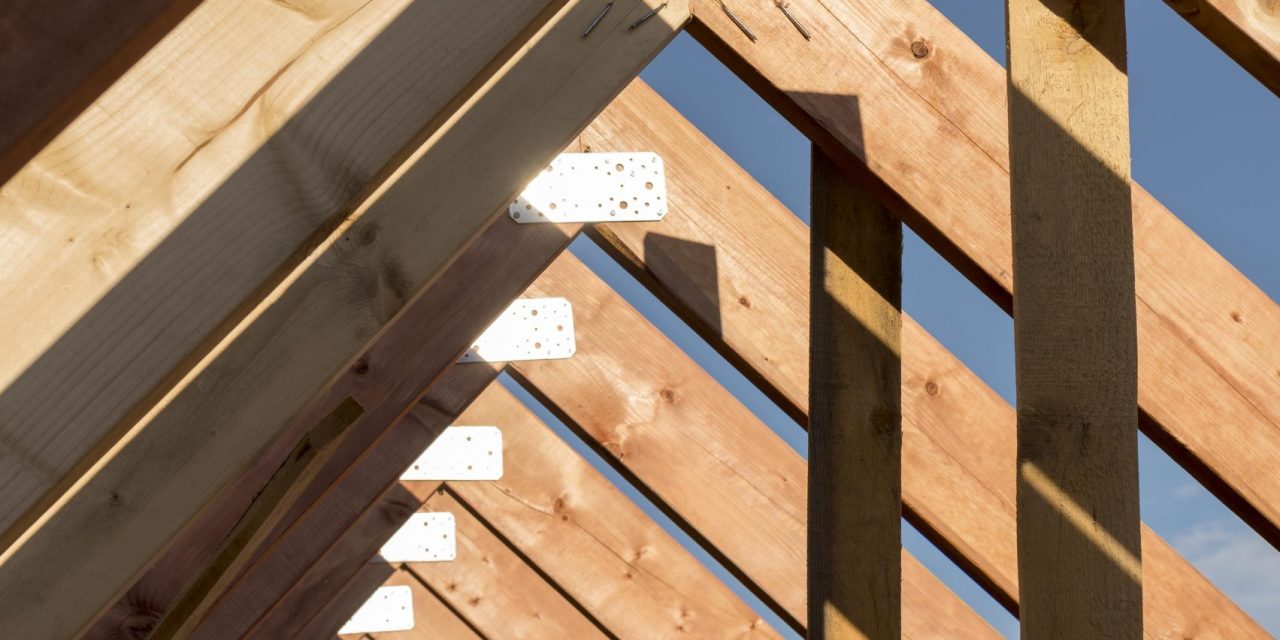
Before a single shingle is nailed down or a metal panel is crimped, the “bones” of the roof must be flawless. The framing—consisting of rafters, trusses, joists, and purlins—serves as the structural platform for the entire roofing system.
Carrying the Load
The most obvious role of framing is weight distribution. Every roof has a “dead load” (the weight of the roofing materials themselves) and a “live load” (temporary weight like snow, wind pressure, and maintenance workers).
If you are planning to install a heavy material like slate or clay tiles, the roofing and framing must be evaluated as a single unit. Standard rafters designed for lightweight asphalt shingles will literally buckle under the weight of stone or clay. A professional framing crew must calculate the pounds-per-square-foot requirements to ensure the structure doesn’t sag or collapse over time.
Creating the Geometry
The “pitch” or slope of your roof is entirely determined by the framing. This isn’t just about how the house looks; it’s about how it sheds water. If the framing isn’t perfectly leveled and angled, the roofing material cannot do its job. Issues like “bird baths” (standing water on flat spots) often stem from poor framing, leading to premature leaks and rot in the roofing layers.
2. The Shield’s Responsibility: How Roofing Protects the Frame
While the framing supports the roof, the roofing system is the only thing standing between your expensive wooden rafters and the destructive power of Mother Nature.
The Enemy: Moisture
Wood is an incredible building material, but it has one Achilles’ heel: water. When a roof fails, the damage is rarely limited to a few missing shingles. Water seeps into the decking (sheathing) and eventually into the rafters or trusses.
Once moisture takes hold of the framing, several things happen:
- Wood Rot: The structural integrity of the timber is compromised.
- Mold and Mildew: This creates a health hazard for the entire household.
- Warping: Wet wood expands and twists; as it dries, it may not return to its original shape, which can cause the roofline to look “wavy” and cause shingles to pop out of place.
The Bridge: Roof Sheathing
The literal connection point between roofing and framing is the sheathing (usually OSB or plywood sheets). The sheathing is nailed directly to the rafters, and the roofing underlayment is applied to the sheathing. If the framing is spaced too far apart, the sheathing will flex, causing the roofing materials to crack or lose their seal.
3. The Science of Ventilation: Where Both Systems Meet
One of the most misunderstood aspects of the roofing and framing connection is attic ventilation. A roof is not just a lid; it is a breathing system.
In a well-designed home, the framing includes “soffit vents” (at the eaves) and “ridge vents” (at the peak). This allows cool air to enter at the bottom and hot, moist air to escape at the top.
If the framing doesn’t provide the necessary channels for this airflow, or if the roofer covers up these vents, the results are catastrophic. Heat builds up in the summer, “cooking” the shingles from the inside out and shortening their lifespan by decades. In the winter, trapped moisture can lead to ice dams—where water freezes at the edge of the roof, backs up under the shingles, and rots out the framing.
4. Stability in the Face of the Elements: Wind and Uplift
In regions prone to high winds or hurricanes, the integration of roofing and framing is a matter of life and death. During a major wind event, a roof acts like a giant sail. If the roofing material isn’t properly fastened to the sheathing, and the sheathing isn’t properly fastened to the framing, the wind can create “uplift.”
Modern building codes often require “hurricane clips” or “seismic ties” that physically lock the roof framing to the wall framing. A professional roofer knows that the shingles are only the first line of defense; if the framing underneath isn’t securely tied together, the entire roof structure can be lifted off the house.
5. Renovation Risks: When One Changes, the Other Must Follow
A common mistake homeowners make during renovations is upgrading their roof without considering the frame.
Imagine you have a 50-year-old home with traditional asphalt shingles. You decide to upgrade to a beautiful, modern “cool roof” with heavy-duty architectural tiles or perhaps a solar array.
Before you sign that contract, a structural analysis of the roofing and framing is mandatory. If the house was built with “stick-framing” (rafters) that have aged or been damaged by past leaks, they may not be able to support the newer, heavier materials. A reputable roofing contractor will always inspect the “skeleton” from the attic before promising a new “skin.”
6. The Aesthetic Impact: Why “Straightness” Matters
From a curb appeal perspective, the connection between roofing and framing is easily visible. Have you ever looked at a house and noticed the roofline looks a bit “swaybacked” or has a dip in the middle?
While a roofer can try to hide some imperfections with thicker shingles, a dipping roof is almost always a framing issue. It usually means the rafters were undersized for the span they are covering, or the ridge board has started to sag. To get a crisp, clean, “magazine-ready” roof, the framing must be perfectly plumb, level, and square.
7. Choosing the Right Professionals
Because of the essential connection between these twin pillars of construction, it is often beneficial to work with a general contractor or a specialized firm that understands both roofing and framing.
If you hire a roofer who only knows how to lay shingles, they might ignore a rotted rafter or a sagging truss just to get the job done. Conversely, a framer who doesn’t understand roofing might leave you with a pitch that is impossible to flash correctly or a ridge that doesn’t allow for proper venting.
When interviewing contractors, ask these three questions:
- “How will you inspect the structural integrity of my framing before the new roof is installed?”
- “Is the weight of this new roofing material compatible with my current truss system?”
- “How does your framing plan account for the specific ventilation requirements of this roofing system?”
Conclusion: A Holistic Approach to Longevity
The connection between roofing and framing is a marriage of strength and protection. The framing provides the muscle and the skeleton, while the roofing provides the shield and the aesthetic finish. You cannot have a high-performing roof on a weak frame, and a strong frame won’t last a decade under a poorly installed roof.
For homeowners, the takeaway is simple: don’t look at your roof as just a surface. Look at it as a complex, integrated system. When you invest in both quality framing materials and expert roofing installation, you aren’t just buying a “top” for your house—you are ensuring the structural integrity and safety of your home for generations to come.
Whether you are building a new home from the ground up or replacing an aging roof, remember that what’s underneath matters just as much as what’s on top. The essential connection between roofing and framing is the true secret to a dry, safe, and beautiful home.
Read more at MotoReview.net
Tags: