Comprehensive Review of the 2026 Ford F-150 Lightning: The Future of Electric Trucks
The 2026 Ford F-150 Lightning marks a milestone in automotive history—the world’s best-selling truck platform fully electrified. Ford’s answer to the EV revolution brings legendary F-150 capability into the electric era, promising zero-emission hauling without sacrificing performance or towing power. But does the Lightning live up to the F-150 name, and is it worth the investment?
In this 2026 Ford F-150 Lightning review, we delve into the features that set this electric truck apart from its gas-powered counterparts.
This comprehensive review covers everything you need to know: performance, range, charging, pricing, and how it stacks up against competitors.
This 2026 Ford F-150 Lightning Review also highlights the advancements Ford has made in electric vehicle technology, ensuring it meets the demands of modern truck users.
2026 F-150 Lightning Overview: What Changed
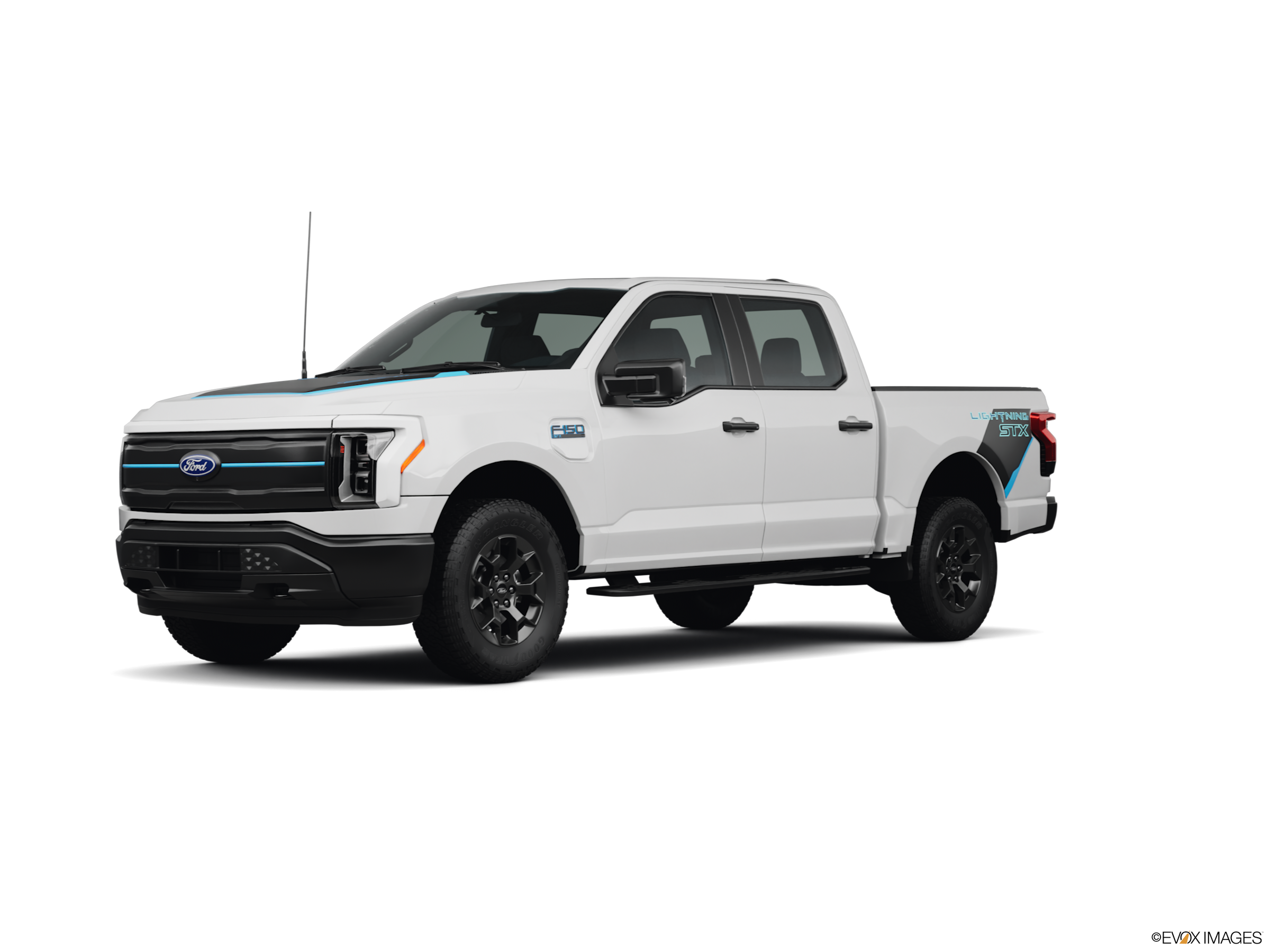
The 2026 model year brings meaningful updates to Ford’s electric pickup. The new STX trim debuts as the entry-level retail offering, pricing more competitively than before. Battery chemistry remains the star: Ford continues offering two options—a standard-range 98 kWh battery and an extended-range 131 kWh battery—with modest efficiency gains and improved real-world range projections.
As we explore the 2026 Ford F-150 Lightning Review, we must note the importance of the new STX trim, which has been designed to cater to more consumers.
Key 2026 Updates
- STX trim added – starting at $63,345 (before destination fees) for the retail lineup
- Range improvements—STX targets an EPA-estimated 290 miles (ca. 467 km) on the extended-range battery
- Battery refinements—slight efficiency gains and better thermal management
- Powertrain consistency—dual–motor AWD across most trims with 452–580 horsepower depending on configuration
This isn’t a complete redesign but rather a refinement year, which means proven technology with targeted improvements.
This year’s 2026 Ford F-150 Lightning Review emphasizes that the improvements are not just cosmetic; they are functional and significant.
Power and Performance: Electric Speed Meets Truck Duty
Our 2026 Ford F-150 Lightning Review further discusses how the electric powertrain impacts overall performance and driving experience.
The 2026 F-150 Lightning punches hard for an electric vehicle.
Engine Specs and Horsepower
The dual-motor setup delivers 536–580 horsepower depending on battery choice:
| Configuration | Horsepower | Torque | 0-60 Time |
|---|---|---|---|
| Standard-Range (98 kWh) | 452 hp | ~627 lb-ft (0.28 t)-ft | ~4.5 seconds |
| Extended-Range (131 kWh) | 580 hp | ~625 lb-ft (0.28 t)-ft | ~4.5 seconds |
| All-Wheel Drive | Standard on most trims | – | – |
Real-world verdict: The Lightning is quick. From a standstill, the instant torque delivery makes it feel faster than the numbers suggest. Driving in normal conditions, the power is accessible and fun—especially in “Unbadged” mode, which unlocks maximum performance acceleration. It’s not a sports car, but it’s genuinely rapid for a truck that weighs over 5,000 pounds (2.27 t).
Acceleration and Driving Experience
The instant electric motor response means no gear-shift lag. Pull the accelerator, and the truck moves. For drivers transitioning from gas F-150s, the driving experience feels alien at first—smooth, quiet, and effortless. In highway driving, the Lightning feels composed and stable, though the added weight (compared to gas models) becomes noticeable during aggressive cornering.
In this 2026 Ford F-150 Lightning review, we’ll also explore the integration of technology that enhances the driving experience.
Regenerative braking is smooth and adjustable, allowing drivers to slow the truck using the motor rather than traditional friction brakes. This extends range on downhill stretches and city driving.
Range and Real-World Battery Performance
Range is where electric trucks face scrutiny—and where the Lightning shows its strengths and limitations.
EPA-Estimated Range
- Standard-Range Battery (98 kWh): ~240 miles (ca. 386 km)
- Extended-Range Battery (131 kWh): ~290 miles (ca. 467 km) (STX model) to ~320 miles (ca. 515 km) (optimal conditions)
Real-World Range Considerations
EPA estimates assume ideal conditions: moderate speed, mild weather, no towing. Real-world range depends heavily on:
- Driving Style – aggressive acceleration bleeds 10–15% range
- Weather – Cold temperatures reduce range by 20–30%; winter range is significantly lower than EPA estimates
- Payload and Towing—Loaded trucks see a 20–40% range reduction; towing cuts range by 30–50%
- Terrain – highway driving at 75 mph (ca. 121 km/h) yields better range than stop-and-go city driving; mountainous terrain drains batteries faster
Honest assessment: If you live where winters are harsh or you frequently tow heavy loads over long distances, expect real-world range 15–25% below EPA figures. For daily commuting and weekend projects, the extended-range battery is sufficient for most users. The standard-range is adequate for local work but marginal for road trips.
The 2026 Ford F-150 Lightning Review reveals how the real-world range varies significantly based on usage.
Towing Capacity and Truck Duties
The Lightning exists to prove electric trucks can do real work.
Towing and Payload Specs
- Maximum Towing Capacity: 10,000 lbs (extended-range, properly equipped)
- Payload Capacity: Up to 2,235 lbs (varies by trim)
- Towing with Standard-Range: 7,700 lbs
Practical Towing Reality
Ford’s numbers check out – the Lightning can genuinely tow 10,000 pounds (4.54 t). But critical warnings:
- Range Impact – Towing a 5,000-lb trailer at highway speed cuts your range nearly in half. Plan accordingly.
- Battery Management – Ford’s thermal management system works hard during towing; the battery heats up, efficiency drops.
- Charge Time – charging with a depleted battery while towing-fatigued is slower than city charging. A 150 kW DC fast charger may deliver only 100–120 kW during heavy battery heating.
- Charging Infrastructure – towing long distances requires reliable DC fast-charging along your route. Gas F-150s don’t have this constraint.
Who should tow with the Lightning:? Contractors towing within 150-mile loops who return to home charging. Weekend campers with trailers under 5,000 lbs. Local haulers with predictable routes.
From our 2026 Ford F-150 Lightning Review, it’s clear that knowing your limits with towing is essential for potential buyers.
Who shouldn’t: Long-haul freight operators, remote weekend warriors far from chargers, or anyone who frequently tows heavy trailers across mountain passes.
Charging: Speed and Practicality
Charging speed is the Lightning’s make-or-break feature for real-world use.
Charging Times by Method
| Charger Type | Power Level | Standard-Range Time | Extended-Range Time |
|---|---|---|---|
| 120V Outlet (Home, Standard) | 1.4 kW | 80+ hours | 95+ hours |
| Level 2 (240V, Typical Home) | 11–19 kW | 7–10 hours | 11–13 hours |
| Level 2 (240V, Upgraded Home) | 32 kW | 3–4 hours | 4–5 hours |
| DC Fast Charger (150 kW) | 150 kW | 36 minutes (15–80%) | 40–45 minutes (15–80%) |
| DC Fast Charger (350+ kW) | 350+ kW | 28 minutes (15–80%) | 33–38 minutes (15–80%) |
Charging Strategy
Home charging (Level 2, 240V): Install a dedicated 240V circuit and use the Ford Intelligent Backup Power system to leverage the Lightning’s massive battery as home backup. Charge overnight, starting mornings at 100%. For most users, this is the primary charging method.
DC Fast Charging: Reserved for road trips and urgent top-ups. The network is improving (Electrify America, Tesla Supercharger access via adapter, Ford Charging Network), but reliability and availability vary by region. Fast charging degrades the battery slightly—use it strategically, not daily.
Home Charging Investment
According to this 2026 Ford F-150 Lightning Review, home charging options can greatly affect ownership satisfaction.
A proper Level 2 installation costs $500–$2,000. The federal tax credit covers some costs. Without home charging, the Lightning becomes less practical—relying on public chargers for routine top-ups is expensive and time-consuming.
Design and Interior: Truck Form, EV Sensibility
The 2026 Lightning keeps the iconic F-150 silhouette but with EV-specific tweaks.
Exterior Design
- Frunk (Front Trunk): 14.1 cubic feet (0.4 m³) of storage where the gas engine would sit. Perfect for tools, groceries, or road trip gear. This is genuinely innovative.
- Bed Design: Lower load floor than gas F-150s due to the battery pack underneath. Easier loading but less bed depth – 52.8 cubic feet vs. ~56 for gas models.
- Weight Distribution: The battery pack sits low, centering mass and improving stability. Noticeable when driving.
- Aerodynamic Updates: Subtle changes compared to gas F-150s, but the lower drag coefficient helps range.
Interior Comfort and Technology
- Cabin Quietness: Dramatic silence compared to gas trucks. Wind and road noise dominate; engine noise is absent. A revelation for daily driving.
- Infotainment: SYNC 4 with a 15.5-inch touchscreen (standard on most trims). Apple CarPlay and Android Auto are included. Software maturity is good; the system is responsive.
- Seats and Space: Comfortable front seats with power adjustment on upper trims. Rear seat space is adequate but not class-leading.
- Tech Features: Onboard 130V and 240V power outlets (up to 7.2 kW output available). Useful for job sites and camping. The Ford Co-Pilot 360 driver assistance suite is standard.
Practicality Notes
The quiet cabin is a blessing for commuting, a curse for hauling – you hear every rattle, squeak, and vibration from the cargo bed more acutely than in gas trucks. The frunk is genuinely useful but not vast; don’t expect it to replace a roof rack for large loads.
Pricing and Value: What You’ll Actually Pay
In this 2026 Ford F-150 Lightning Review, we’ll detail the trims and their corresponding pricing to help you make an informed decision.
2026 F-150 Lightning MSRP by Trim
| Trim | MSRP (before destination) | Battery | Target Buyer |
|---|---|---|---|
| STX | $63,345 | Extended-Range | Value shoppers, retail buyers |
| Flash | $75,094 | Extended-Range | Sweet-spot balance of features and value |
| Lariat | $77,150 | Extended-Range | Luxury-focused, highest comfort |
| Platinum | $87,190 | Extended-Range | Premium everything |
Plus $2,195 destination fee (always added).
True Cost of Ownership
- Federal Tax Credit: Up to $7,500 (point-of-sale rebate at dealers; eligibility varies)
- Electricity vs. Gasoline: Charging costs ~$0.03–$0.05 per mile (electricity prices vary). Gas F-150s run ~$0.08–$0.12 per mile. Lightning saves ~$500–$800 annually on fuel for typical drivers.
- Maintenance: No oil changes, fewer moving parts. Brake maintenance is deferred due to regenerative braking. Long-term maintenance expenses are lower for electric trucks—savings of $3,000–$5,000 over ownership life.
- Insurance: Slightly higher than gas F-150s due to repair costs, but the gap is narrowing.
- Depreciation: Too early for definitive data, but EV values stabilize slower than gas vehicles. Expect 40–50% depreciation over 5 years (vs. 50–60% for gas F-150s).
Bottom Line on Value
At $63,345–$65,540 (after destination), the STX is competitively priced against a mid-range gas F-150. The fuel savings and maintenance benefits offset the higher purchase price over 5–7 years of ownership, especially for high-mileage drivers. For short-term ownership or infrequent driving, the math is less compelling.
Our analysis in the 2026 Ford F-150 Lightning Review shows how the total cost of ownership plays a significant role in buyer decisions.

How the 2026 Lightning Compares: Against Gas F-150s and EV Competitors
vs. 2026 Gas F-150 (5.0L EcoBoost)
This 2026 Ford F-150 Lightning Review illustrates how the operating expenses can stack up against traditional gas vehicles.
| Factor | F-150 Lightning | Gas F-150 | Winner |
|---|---|---|---|
| Purchase Price (mid-trim) | $75,000+ | $55,000–$65,000 | Gas |
| Fuel Economy | 120 MPGe (EPA est.) | 20–25 MPG | Lightning |
| Acceleration (0-60) | 4.5 sec | 5.5–6.5 sec | Lightning |
| Towing Capacity | 10,000 lbs | 14,000 lbs | Gas |
| Operating Cost (5 yrs) | $7,000–$9,000 fuel + repairs | $12,000–$15,000 fuel + repairs | Lightning |
| Infrastructure Dependence | Requires charging network | Gas stations everywhere | Gas |
| Practicality for Towing | Long-distance compromised | Full capability | Gas |
Verdict: The Lightning is faster, cheaper to operate, and quieter. But gas F-150s cost less upfront, tow more, and work anywhere. Choose Lightning if you have home charging and local/moderate towing needs. Choose gas if you tow heavily or drive remote roads frequently.
Vs. Chevrolet Silverado EV and GMC Sierra Denali Edition 1
Both Chevy and GMC have entered the electric truck market with comparable specs:
- Silverado EV: Similar range (290 miles (ca. 467 km)), slightly lower towing (8,000 lbs standard), comparable price ($59,900 base)
- GMC Sierra Denali Edition 1: Premium positioning, up to 350 miles (ca. 563 km) range (claim), $65,000+ base
Ford’s Lightning advantages: brand recognition, charger compatibility, established owner community. Silverado EV advantages: lower base price, slightly more range potential. GMC advantages: luxury interior, premium positioning.
The Lightning remains the segment leader due to first-mover advantage and familiarity.
Real-World Ownership: What Owners Experience
The Best Parts
-
- Daily Driving Bliss – quiet, smooth, powerful. No gas-station stops. Starting every morning at “full tank” changes mindset.
The 2026 Ford F-150 Lightning Review highlights the unique advantages of driving an electric truck that many might overlook.
- The frunk is seriously useful. Separates tools from the cabin, prevents odors, adds security.
- Operating Costs – fuel savings and fewer repairs compound.
- One-Pedal Driving – Regenerative braking lets skilled drivers operate with minimal brake usage. It’s addictive.
- Performance – Instant torque impresses even skeptics.
The Frustrations
-
- Towing Range Anxiety – trips with trailers require constant charging planning.
However, the 2026 Ford F-150 Lightning Review also addresses some common frustrations faced by electric truck owners.
- Cold Weather Reality – winter range loss is real and unexpected by many buyers.
- Charging Availability – road trips require research and contingency plans. Not spontaneous.
- Bed Depth – slightly shallower than gas F-150s; some tall loads don’t fit.
- Weight – despite low center of gravity, the truck feels its 5,000+ lbs in aggressive driving.
Should You Buy the 2026 Ford F-150 Lightning?
Buy If:
- ✅ You have or can install home charging (240V Level 2)
- ✅ Your commute is under 150 miles (ca. 241 km) daily
- ✅ You tow occasionally, not professionally
- ✅ You want lower operating expenses and don’t mind paying upfront
- ✅ You value quiet, smooth driving and impressive acceleration
- ✅ You support electric vehicles and have the budget for early adoption
Reconsider If:
- ❌ You don’t have reliable home charging access
- ❌ You tow heavy loads frequently or over long distances
- ❌ You live in harsh winter climates and need a predictable range
- ❌ Your annual mileage is under 8,000 miles (ca. 12,875 km) (fuel savings won’t justify purchase cost)
- ❌ You’re budget-conscious and need the lowest purchase price (stick with gas)
- ❌ You frequently travel to remote areas without charging infrastructure
Final Verdict: Is the 2026 F-150 Lightning the Future?
Ultimately, this 2026 Ford F-150 Lightning Review will help you determine if this electric truck fits your lifestyle.
Yes—with important warnings.
The 2026 Ford F-150 Lightning proves electric trucks aren’t a gimmick. It’s a genuinely capable work vehicle that delivers real performance, real range, and real operating-cost savings. The charging network is maturing, software is solid, and ownership experience is increasingly mainstream.
But the Lightning is optimized for specific use cases: urban/suburban contractors, commuters with home charging, and truck enthusiasts who value performance and efficiency over maximum towing capacity and remote-area capability. It’s not yet the universal truck the gas F-150 remains.
For the right buyer in the right situation, the 2026 F-150 Lightning is exceptional. For others, it’s a compromise worth reconsidering. The best truck is the one that fits how you actually work and drive—not the one with the headline horsepower.
The 2026 Ford F-150 Lightning Review concludes with a comprehensive look at its capabilities and user expectations.
Rating: 8.5/10 – A significant achievement in electric truck technology, limited by charging infrastructure and towing range but exceptional for its intended audience.
To sum up, our 2026 Ford F-150 Lightning Review rates this vehicle highly for its blend of technology and functionality.
Specs at a Glance
| Specification | Standard-Range | Extended-Range |
|---|---|---|
| Battery Capacity | 98 kWh | 131 kWh |
| EPA Range | ~240 miles (ca. 386 km) | ~290–320 miles |
| Horsepower | 452 hp | 580 hp |
| Torque | ~627 lb (0.28 t)-ft | ~625 lb (0.28 t)-ft |
| 0-60 Time | ~4.5 sec | ~4.5 sec |
| Max Towing | 7,700 lbs | 10,000 lbs |
| Max Payload | 2,000 lbs | 2,235 lbs |
| Frunk Capacity | 14.1 cu ft (0.4 m³) | 14.1 cu ft (0.4 m³) |
| Bed Volume | 52.8 cu ft (1.5 m³) | 52.8 cu ft (1.5 m³) |
| DC Fast Charge (15–80%) | ~36 min | ~40–45 min |
| Home Level 2 Charge | ~7–10 hours | ~11–13 hours |
| Starting MSRP | N/A (STX only) | $63,345 (STX) |
| Destination Fee | $2,195 | $2,195 |