
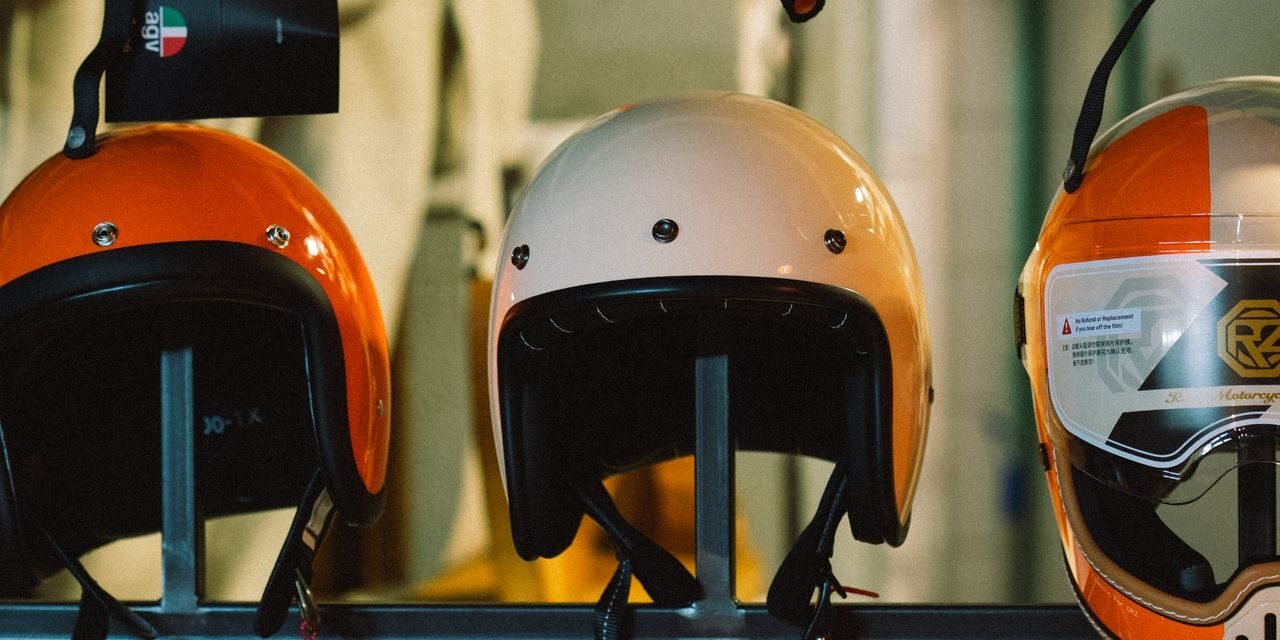
Riding a motorcycle without a quality helmet increases your risk of death in a crash by 37 percent, yet many riders still choose lids based on price or paint job instead of protection. The challenge with finding the best helmet is that most brand rankings are geographically biased. An Indian list pushes ISI-certified budget brands you cannot buy in the States, while UK roundups ignore DOT requirements entirely. This ranking of the top 10 helmet brands in world takes a genuinely global lens, weighing ECE 22.06 certification, SHARP star ratings, shell material quality, and head shape compatibility, all filtered through US market availability. Over 10 million helmets sell annually in India alone, but American riders need different certifications, different fit profiles, and brands they can actually try on at a Cycle Gear or RevZilla showroom. Here is the definitive 2026 list of the top 10 helmet brands in world, showcasing the best of the top 10 helmet brands in world.
Table of Contents
The top 10 helmet brands in world are essential for safety and performance in riding.
As we explore the top 10 helmet brands in world, it is crucial to understand how safety features and comfort are prioritized across different models.
- How We Ranked the World’s Best Helmet Brands (Methodology)
- The Top 10 Helmet Brands in the World (2026 Rankings)
- Top 5 Helmet Brands at a Glance (Quick Reference)
- How to Choose the Right Helmet Brand for Your Riding Style
- Helmet Safety Certifications Explained (DOT vs. ECE 22.06 vs. SHARP)
- Frequently Asked Questions
- Final Verdict – The Best Helmet Brand for You
How We Ranked the World’s Best Helmet Brands (Methodology)
Ranking helmet brands is not a beauty contest. We built a composite scoring system that prioritizes objective safety data over marketing claims, then layered in real-world factors that matter to American riders.
Safety certification weight was the heaviest factor. ECE 22.06 is the new global gold standard, testing at more than 10 impact points and including rotational force protocols that DOT simply ignores. SHARP 4- and 5-star ratings, from the UK’s independent testing program, earned brands additional points. DOT certification was treated as the floor, not a differentiator. Brands still relying primarily on the older ECE 22.05 standard lost ground.
The top 10 helmet brands in world have been evaluated thoroughly to ensure the best protection for riders.
Shell material hierarchy mattered next. Carbon fiber shells absorb and disperse impact energy better than fiberglass, which outperforms basic polycarbonate. Brands investing in multi-composite and carbon fiber construction scored higher because shell material directly correlates with both safety and weight reduction, two things every rider cares about after hour three in the saddle.
Head shape compatibility was a critical tiebreaker. A $700 helmet that does not match your head shape is less safe than a $200 helmet that fits perfectly. We prioritized brands offering multiple shell shapes or at least transparent fit guidance for intermediate oval, round oval, and long oval riders.
Independent testing reputation and US market availability rounded out the scoring. Brands had to be widely stocked through major US retailers with DOT-certified models. We excluded any brand with no clear US distribution or opaque safety testing practices.
The Top 10 Helmet Brands in the World (2026 Rankings)
Discover the top 10 helmet brands in world that prioritize safety and innovation.
With various options available, these top 10 helmet brands in world are tailored to meet the safety and performance standards required by riders today.
1. AGV – The Safety Leader
AGV claims the top spot for 2026, and the data backs it up. Independent testers at Billy’s Crash Helmets ranked AGV as the safest motorcycle helmet brand, and the Italian company’s aggressive adoption of ECE 22.06 across its lineup reinforces that position. The Pista GP RR, with its full carbon fiber shell and MotoGP pedigree, represents the ceiling of what a production helmet can achieve in impact protection and aerodynamics.
AGV helmets run intermediate oval with a notably tight cheek fit, which suits sport riders who want zero movement at triple-digit speeds. The trade-off is all-day comfort. These are focused helmets for focused riding. Track day regulars and canyon carvers will find the snug race fit reassuring. Commuters might find it claustrophobic.
Price range runs from about $400 for entry-level K6 models to over $1,200 for the flagship Pista GP RR. That is a serious investment, but you are paying for carbon fiber shells, wind-tunnel-tested aero, and safety engineering derived from Valentino Rossi’s feedback. If absolute protection is your priority, AGV is the answer.
2. Shoei – The Premium Standard
Shoei occupies a unique position as the brand that serious riders trust without question. The RF-1400 and X-Fourteen remain the most popular premium helmet models in the US market, and for good reason. Shoei consistently earns 4- and 5-star SHARP ratings, uses multi-density EPS liners that manage both high- and low-speed impacts, and builds helmets that feel broken-in from the first ride.
Fit is intermediate oval with a neutral, accommodating shape that works for the broadest range of riders. Ventilation is excellent without being noisy, and the shield mechanism on the RF-1400 is arguably the best in the industry. These are helmets you forget you are wearing, which is the highest compliment a touring rider can give.
Prices land between $500 and $900. Shoei does not chase budget segments, and the value proposition is straightforward. You pay for Japanese manufacturing precision, proven safety performance, and a helmet that will still feel premium in year five. For sport touring, long-distance street riding, and anyone who wants one helmet that does everything well, Shoei is the benchmark.
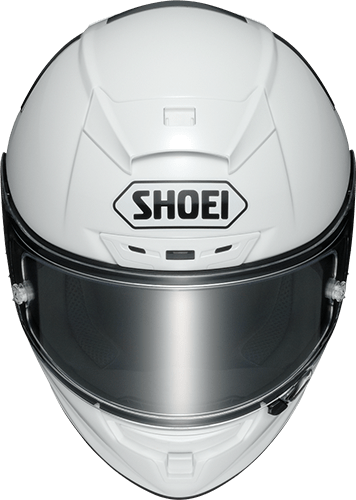
X-Fourteen
3. Arai – The Fit Specialist
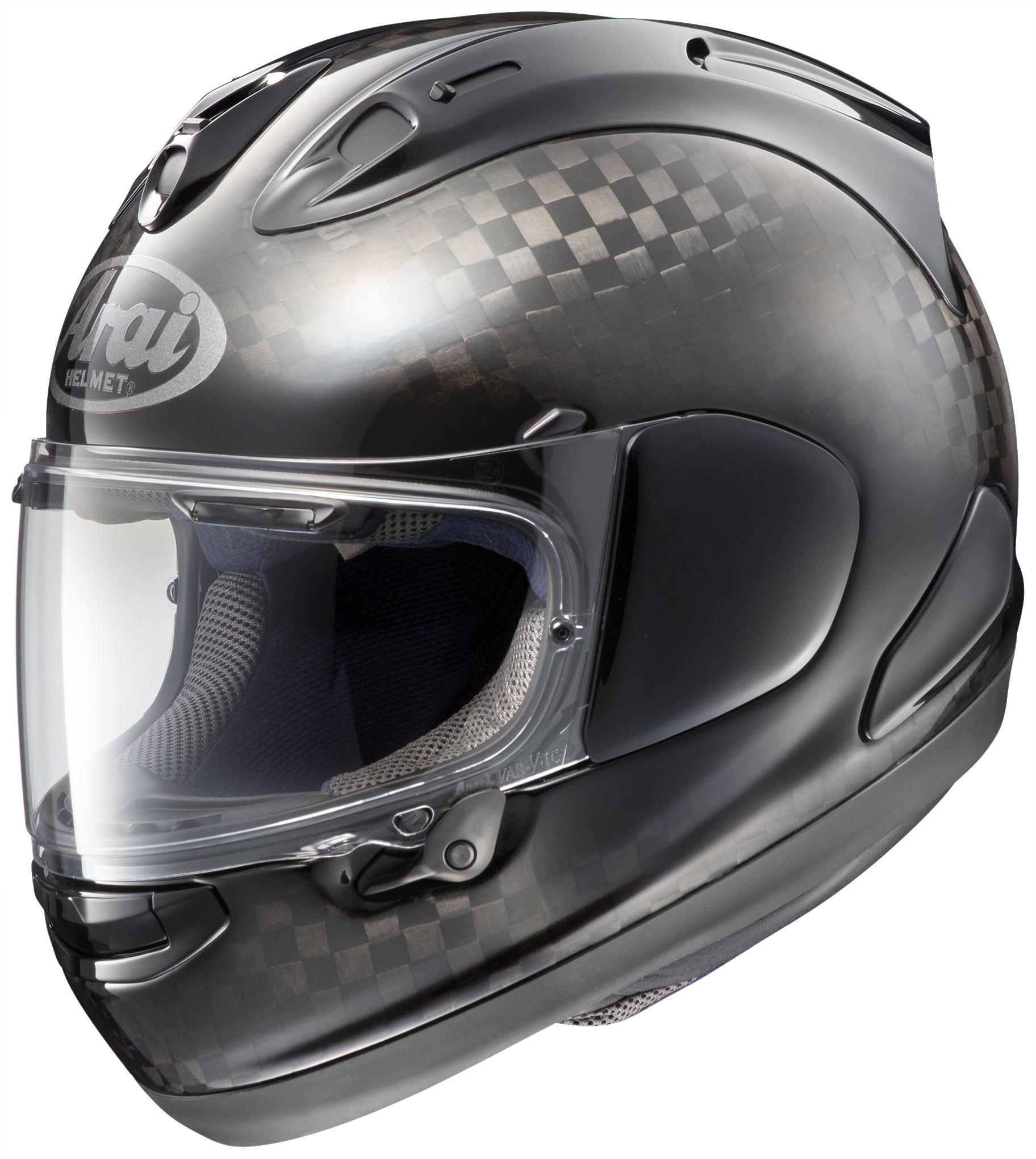
Arai takes a fundamentally different approach to helmet design. While other brands chase features, Arai obsesses over shell shape. Their proprietary R75 philosophy maintains a smooth, rounded outer shell that reduces rotational forces during impact by encouraging the helmet to glance off surfaces rather than snagging. Every Arai shell is hand-made, and the company offers distinct models for round oval, intermediate oval, and long oval head shapes.
This makes Arai the default recommendation for riders who have struggled with fit in every other brand. If Shoei gives you forehead hotspots or AGV crushes your temples, Arai likely has a shape that works. The trade-off is that Arai helmets feel deliberately analog. Shield changes are more involved, ventilation controls are less refined, and the aesthetic is polarizing.
Prices range from $600 to over $1,000. You are paying for hand-laid shells, obsessive quality control, and the only brand that treats head shape diversity as a core design principle rather than an afterthought. For riders with unique head shapes who refuse to compromise on safety, Arai is the answer.
4. HJC – The Value Champion
HJC is the most searched helmet brand in related queries, and the reason is simple. No other manufacturer delivers ECE 22.06 certification, SHARP 4-star performance, and fiberglass-composite shells at HJC’s price points. The RPHA series, particularly the RPHA 70 and RPHA 11, offers premium-level protection for under $300 in some colorways.
Fit runs intermediate oval with a slightly roomier interior than Shoei or AGV, which makes HJC helmets more accessible for riders who find race-oriented lids uncomfortable. The RPHA line uses a premium multi-composite shell that competes with helmets costing twice as much, and HJC’s internal sun visor implementation is clean and reliable.
Prices span from $150 for entry-level polycarbonate models to around $500 for top-spec RPHA carbon editions. HJC is the smart answer for budget-conscious riders, daily commuters, and first-time buyers who want ECE 22.06 safety without stretching into premium pricing. The brand proves that safe does not have to mean expensive.
5. Shark – The European Innovator
Shark has quietly become one of Europe’s most technically ambitious helmet brands. The French company adopted ECE 22.06 early and aggressively, and its aerodynamic spoiler designs are not cosmetic. Shark helmets are shaped to reduce buffeting and neck strain at highway speeds, which makes them surprisingly practical for sport and adventure riding.
SHARP ratings for Shark models are consistently strong, with several helmets earning 4 and 5 stars. The brand’s dual-homologation approach means many Shark helmets are certified for both full-face and open-face use with the chin bar removed, adding versatility for adventure riders who switch between highway and trail.
Fit is intermediate oval with a snug, European-style interior that runs slightly tighter than HJC but not as aggressive as AGV. Prices range from $300 to $700, positioning Shark as a premium alternative for riders who want distinctive styling and proven safety without paying Shoei or Arai money.
6. Bell – The American Icon
Bell has been building helmets in the United States longer than any other brand, and the current lineup balances heritage with modern safety engineering. The Star and Qualifier lines offer DOT certification as standard, with select models carrying ECE 22.05 or 22.06 homologation for riders who want international-level protection.
As we explore the top 10 helmet brands in world, Bell stands out for its long-standing heritage.
Bell’s strength is versatility. The brand covers street, off-road, and dual-sport categories with equal competence, and the MIPS-equipped Star models address rotational force management at a price point well below Arai. Fit is intermediate oval with a standard, accessible shape that works for most American riders.
Prices run from $200 for Qualifier models to around $600 for the Star DLX MIPS. Bell is the natural choice for riders who want to support an American brand with deep motorsport roots, or who split time between pavement and dirt and need a helmet that handles both without complaint.
7. LS2 – The Fast-Rising Global Player
LS2 is emerging as one of the top 10 helmet brands in world, providing competitive pricing and safety.
LS2 is the brand that keeps premium competitors honest. The Spanish company has adopted ECE 22.06 across its 2025 and 2026 models faster than many legacy brands, and its carbon fiber offerings, like the Thunder Carbon and Valiant, deliver sub-1,400-gram weights for under $500. That is a value proposition no other brand currently matches.
SHARP ratings for LS2 models are strong, with multiple helmets earning 4 and 5 stars. The brand’s rapid rise is driven by a simple formula. Use modern shell materials, certify to the latest standards, and price aggressively. The result is a helmet that feels more expensive than it is.
Fit is intermediate oval with a slightly round bias, which suits riders who find Shoei and AGV too narrow front-to-back. Prices range from $150 for entry models to $500 for carbon fiber flagships. For riders who want carbon fiber performance at mid-range prices, LS2 is the clear answer.
8. KLIM – The Adventure Specialist
KLIM built its reputation on adventure riding gear that works in extreme conditions, and the helmet lineup follows the same philosophy. The Krios Pro uses a full carbon fiber shell with excellent ventilation and a weight that adventure riders appreciate after eight hours on mixed terrain. KLIM helmets are designed for the long haul, with moisture-wicking liners, generous airflow, and compatibility with the brand’s communication systems.
Fit runs intermediate oval with a longer front-to-back dimension than most brands, which suits riders with slightly elongated head shapes. The trade-off is price. KLIM helmets start around $500 and climb to $900 for the Krios Pro, putting them in direct competition with Shoei and Arai.
For adventure touring and dual-sport riders who prioritize ventilation, weight, and all-day comfort over track-focused aerodynamics, KLIM is purpose-built for the job.
9. Scorpion – The Tech Innovator
Scorpion has carved out a loyal following by packing features into helmets that cost hundreds less than the competition. The EXO series offers integrated sun visors, emergency-release cheek pads, and inflatable cheek pad systems for custom fit adjustment, all at prices that make premium brands look indulgent.
Safety performance is solid rather than spectacular. Scorpion holds good SHARP ratings on several models and offers ECE 22.05 certification, though 22.06 adoption has been slower than AGV or Shark. Fit is intermediate oval with a roomy interior that suits riders who find race-oriented helmets too restrictive.
Prices range from $200 to $500. Scorpion is the practical answer for commuters and sport tourers who want integrated sun visors, emergency safety features, and a comfortable fit without entering premium pricing territory. The feature-per-dollar ratio is among the best in the industry.

10. Schuberth – The Quiet Comfort Leader
Schuberth represents the quiet comfort that many riders demand, making it one of the top 10 helmet brands in world.
Schuberth approaches helmet design from a touring-first perspective, and the result is the quietest production helmets on the market. The German brand tests every model in its own wind tunnel, and the C5 modular helmet achieves noise levels that make earplugs optional rather than mandatory. For long-distance riders who spend hours at highway speeds, that quietness reduces fatigue in ways that are hard to quantify until you experience it.
ECE 22.06 compliance is standard on current Schuberth models, and the brand’s modular designs offer full-face protection with the convenience of a flip-up chin bar. Fit runs round oval with a European shape that suits riders with wider, rounder heads. If Shoei and Arai feel too narrow, Schuberth likely fits better.
Prices range from $600 to $1,000. Schuberth is the specialist answer for touring riders who value quietness and all-day comfort above all else, and who are willing to pay for German engineering that delivers on that promise.
Top 5 Helmet Brands at a Glance (Quick Reference)
AGV leads the pack as the safest overall brand with MotoGP heritage and carbon fiber shells. Shoei follows with premium comfort and the best-selling RF-1400. Arai takes third for custom fit with hand-made shells in multiple head shapes. HJC claims fourth as the best value brand with ECE 22.06 models under $300. Shark rounds out the top five with European innovation and strong aerodynamic design.
How to Choose the Right Helmet Brand for Your Riding Style
Your riding style should dictate which brand you prioritize. Daily commuters need value and convenience. HJC and Scorpion offer ECE 22.06 safety, integrated sun visors, and comfortable interiors for under $400, which is the sweet spot for a helmet that lives in a parking lot and handles stop-and-go traffic five days a week.
Sport and track riders should look to AGV or Shoei. Aerodynamic stability at high speed, lightweight carbon fiber shells, and snug race fits matter more than sun visors or quietness when you are chasing lap times. If you plan to ride UK or European track days, confirm ACU Gold certification on your specific model.
Adventure and touring riders need ventilation, noise control, and all-day comfort. KLIM and Schuberth are purpose-built for these demands, with the former excelling at airflow and dual-sport versatility, and the latter leading the industry in wind noise reduction.
Budget buyers should look hard at LS2 and HJC. Both brands offer carbon fiber shells and ECE 22.06 certification at prices that undercut premium competitors by 40 to 50 percent. The safety gap between a $400 LS2 Thunder Carbon and a $900 Shoei is smaller than most riders assume.
Among the top 10 helmet brands in world, choosing the right fit is paramount for safety.
Head shape is the final filter. Long oval riders should prioritize Arai. Round oval riders will find better fit in Schuberth or AGV. Intermediate oval fits most Shoei, HJC, Bell, and Scorpion models. If you do not know your head shape, measure the ratio of length to width before shopping.
Helmet Safety Certifications Explained (DOT vs. ECE 22.06 vs. SHARP)
DOT certification is the legal minimum in the United States, but it is not a safety guarantee. DOT tests fewer impact points than ECE and relies on manufacturer self-certification rather than independent verification. A DOT sticker alone tells you very little about real-world protection.
ECE 22.06 is the global gold standard for 2026. It tests at more than 10 impact points, includes rotational force protocols, and requires independent laboratory verification. The standard became mandatory for road legality in the UK and most of Europe in 2024, and the best US-available brands have adopted it voluntarily.
SHARP is the UK’s independent star rating system, testing helmets purchased off retail shelves rather than manufacturer-supplied samples. A 5-star SHARP rating is the strongest independent safety endorsement a helmet can earn. For US riders in 2026, prioritizing ECE 22.06 certification or SHARP 4- and 5-star ratings provides protection well beyond what DOT requires.
Frequently Asked Questions
Which is the number one helmet brand in the world? AGV holds the top safety ranking from independent testers for 2025 and 2026, driven by ECE 22.06 adoption and carbon fiber shell construction across its premium lineup.
What are the top five safest helmet brands? AGV, Shoei, Arai, HJC, and Shark lead the field based on ECE 22.06 certification rates, SHARP star ratings, and independent testing transparency.
The top 10 helmet brands in world encompass a variety of features to suit different riding styles.
Understanding the features among the top 10 helmet brands in world can help you make an informed decision for your safety.
Are expensive helmets always safer? Generally yes, because premium prices fund better shell materials and more rigorous testing. However, a well-fitting HJC or LS2 with ECE 22.06 certification can match the safety performance of helmets costing twice as much.
How often should I replace my helmet? Every five years from the manufacture date, or immediately after any significant impact, even if no visible damage appears. EPS liners degrade over time and after absorbing impact energy.
Do I need ECE 22.06 in the US? Not legally. DOT remains the only required certification. But ECE 22.06 offers measurably superior protection, and choosing a helmet that meets both standards is the smartest safety decision an American rider can make in 2026.
Final Verdict – The Best Helmet Brand for You
Ultimately, the best choice among the top 10 helmet brands in world is one that fits your personal needs.
If absolute safety is your only criterion, buy an AGV Pista GP RR or Shoei X-Fourteen and know you are wearing the best protection money can buy. If value matters, the HJC RPHA 70 and LS2 Thunder Carbon deliver ECE 22.06 safety at prices that leave budget for other gear. Riders with unique head shapes should start and end their search with Arai. Long-distance tourers will find the Schuberth C5 worth every dollar for the noise reduction alone.
The best helmet brand in the world is the one that fits your head shape, matches your riding style, and carries ECE 22.06 or SHARP 4- and 5-star certification. Do not buy a helmet without trying it on first. A perfect safety rating means nothing if the helmet does not fit. In conclusion, the top 10 helmet brands in world offer a range of options for every rider’s needs.
Riders should consider the insights shared about the top 10 helmet brands in world when selecting their next helmet.
Read more @ MotoReview.net

Trackbacks/Pingbacks